







Search Results for: Choosing Beans for Iced Coffee

How to Make a Delicious Iced Latte: A Complete Guide from Choosing Beans and Milk to Ratios and Technique Details
Iced latte may seem like it only takes three steps to make—add ice, pour milk, pour coffee—but there is actually a great deal of knowledge involved in truly making a delicious iced latte. From choosing coffee beans and milk, to matching the milk-to-coffee ratio, to the operational details of extraction and cup assembly, every step directly affects the final flavor performance. This article will take the iced latte—the most approachable milk coffee among espresso drinks—as an example, and combine it with Front Street Coffee's actual production experience to sort out the three core points to pay attention to when making an iced latte, helping coffee lovers reliably recreate a layered, well-balanced iced latte at home. [more…]

Choosing coffee beans suitable for iced coffee by roast level
Iced coffee isn't just about pouring hot coffee over ice. The ice lowers the serving temperature and also dilutes the concentration somewhat, making the aroma appear brighter or softer, so the roast level of the beans directly influences the direction of the final cup. If you enjoy a juicy character, floral notes, and a light mouthfeel, look to light roasts; if you want something sweet, smooth, and easy to drink, medium roasts are more [more…]
How do you make an iced latte at home that's up to coffee shop standards? A complete guide to making it, from choosing beans and milk, to the milk-to-coffee ratio and operating details.
Replicating a delicious iced latte at home is not as simple as pouring ice cubes, milk, and espresso into a cup one after another. Many coffee enthusiasts find after trying that their homemade iced latte always falls a bit short—either the milk flavor overpowers the coffee, or it tastes too watery. In fact, a proper iced latte involves three key aspects: the choice of ingredients, the ratio of milk to coffee, and attention to detail during preparation. Drawing on Front Street Coffee's production experience, this article breaks down the craft of making iced latte item by item, including recommended espresso blend beans suitable for pairing with milk, reference ratios of espresso to iced milk, and why a freshly made iced latte shows a beautiful gradient layering—the answers to these questions will all be revealed below. [more…]

How to Make an Iced Cappuccino? From the Origin of the Name to Choosing Espresso Beans, a Clear Explanation of the Ins and Outs of Iced Milk Coffee
After the start of Major Heat, the temperature rises day by day, and at times like this, having a glass of iced coffee in hand instantly dispels much of the summer heat. This time, Front Street Coffee wants to talk about an iced cappuccino you can make at home: first tracing the evolution of the name cappuccino from Italian to the coffee cup, then breaking down the complete process for making an iced cappuccino, including the espresso extraction parameters, the method for frothing cold milk foam, and the order in which milk, coffee, and milk foam are combined. Next, it will explain the flavor direction of this iced drink after it enters the mouth, and recommend the Sunflower Warm Sun blend beans used by Front Street Coffee for testing, giving coffee lovers who want to try making it themselves a basis to follow. [more…]

Analyzing the Flavor Characteristics of Latte: Which Is More Worth Choosing, Iced Latte or Iced Americano with Milk?
Walking into a café, you often hear people ordering a latte or an Americano—so is a latte actually good? And how should you choose between an iced latte and an iced Americano? Nowadays many people are used to drinking coffee while working, or holding a cup while chatting leisurely with friends. These two kinds of coffee are also quite popular at Front Street Coffee shops, so Front Street Coffee will walk you through them. Latte originally means milk in Italian; with the spread of espresso machines and steam wands, the modern latte gradually took shape. The Americano, on the other hand, originated from the American practice of diluting espresso. So does adding milk to an iced Americano equal an iced latte? What are the differences between the two in ingredients, sweetness, and cost? This article will sort it all out for you one by one. [more…]
A Detailed Guide to Making Americano: Key Points for Choosing Beans, Iced Americano Recipe, and a Full Analysis of What Causes Bitterness
Americano, with its affordable price, refreshing effect, and clean taste, has become a daily essential beverage for many office workers. However, many people find Americano too bitter, but the key actually lies in the choice of coffee beans and the extraction method. This article will explain in detail how to make a delicious cup of Americano, including suitable coffee bean types, specific extraction parameters, the golden ratio for iced Americano, and an analysis of the pros and cons of Americano for health. At the same time, we will also recommend several Front Street brand espresso coffee beans to help you easily make a cup of Americano with a prominent aroma, low bitterness, and a smooth taste. [more…]
The Complete Guide to Making Caramel Macchiato: Eight Steps from Choosing Coffee Beans to Drawing Patterns with a Latte Art Pen
Caramel Macchiato is the first cup many people choose when they step into Starbucks, and its soft, silky texture and sweet flavor make it unforgettable. But have you ever thought that this classic drink can actually be easily recreated at home? This article will break down the process of making an iced caramel macchiato in detail, from choosing Front Street Coffee's classic espresso blend beans, to extracting the espresso, steaming the milk, and then every detail of drizzling caramel and using a latte art needle to draw patterns, presented one by one in eight steps. Whether you are a coffee enthusiast who has just started out, or a home barista hoping to refine your skills, you can gain practical operational guidance from it and make an iced caramel macchiato that is both visually appealing and flavorful with your own hands. [more…]
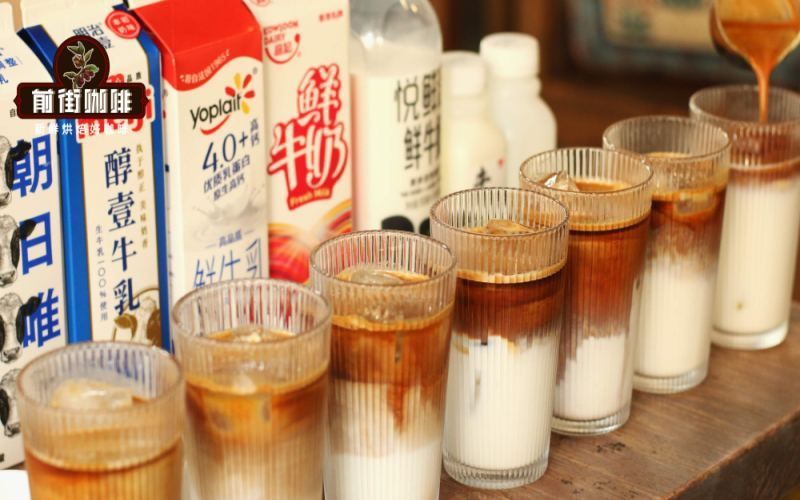
The Complete Guide to Making Iced Latte at Home: From Choosing an Espresso Machine and Pairing Espresso Beans to a Detailed Explanation of Coffee-to-Milk Ratios
Want to recreate a coffee shop's iced latte at home, but always feel like the taste falls a bit short? The problem usually lies in three areas: whether the espresso machine's pressure performance is up to standard, whether the flavor of the espresso beans and milk are in harmony, and whether the ratio of espresso to milk is appropriate. Drawing on Front Street Coffee's practical experience, this article systematically sorts out the key points of making iced lattes at home—including how to judge the extraction capability of a home espresso machine, the coffee-to-milk ratios suited to dark-roast and light-roast espresso beans respectively, how to manage the resting period of coffee beans, and the impact of ice cube selection on the finished drink's mouthfeel. Whether you are a beginner who has just acquired your equipment or a seasoned player looking to further stabilize your output, you can find actionable reference solutions here. [more…]
Vietnamese Drip Coffee Brewing Tutorial: How to Use a Phin Filter, Choosing Coffee Beans, and Making Iced Coffee with Condensed Milk
Vietnamese drip coffee, with its distinctive Phin filter and pairing with condensed milk, has become one of the most recognizable ways of drinking coffee in Southeast Asian coffee culture. This article begins with the historical origins, representative brands, and flavor characteristics of Vietnamese coffee, then systematically introduces the ingredients, steps, and timing control needed to make an authentic Vietnamese iced coffee, and explains the key points for choosing coffee beans suitable for a Vietnamese Phin—medium grind, freshly ground, and avoiding too many fine particles. The article also mentions related product recommendations from Front Street Coffee, making it a useful reference for coffee lovers who want to recreate the flavors of Vietnamese street coffee at home or in the office. [more…]
Why Do Celebrities Prefer Iced Americano? A Guide to Making Iced Americano and Choosing Coffee Beans
Iced Americano has gained popularity among celebrities and coffee lovers in recent years. It not only refreshes the mind but also helps with weight loss and reducing water retention. So, what exactly is an Iced Americano? What are the nuances of its origin and preparation methods? And what kind of coffee beans should be chosen to make an Iced Americano? This article will take you through the definition of Americano, the evolution of espresso, and how to select blended coffee beans suitable for making Americano, from the professional perspective of Front Street Coffee. Whether you seek rich crema, a smooth mouthfeel, or floral and fruity aromas, you can find a suitable choice. Additionally, we will share the extraction parameters and water-to-espresso ratios for Americano to help you easily make a delicious Iced Americano. [more…]
Latte Coffee Bean Selection Guide: Espresso Blends and Milk Pairing, Plus Key Points for Making Iced Lattes
Iced latte may seem like just three steps—add ice, pour milk, pour coffee—but making a delicious one requires attention from coffee bean selection to milk pairing. This article focuses on three core aspects: first, choosing the right materials—the espresso blend determines the flavor direction of the latte, and the milk should complement the coffee rather than simply seeking richness; second, properly balancing the milk-to-coffee ratio—Front Street Coffee's classic blend with Vitasoy fresh milk uses a reference of 20g grounds extracted in 25 seconds to yield 40g liquid, paired with 250ml milk and 75g ice; third, paying attention to operational details, including espresso extraction quality and preparation speed. The article also introduces Front Street Coffee's classic blend as a tribute to the Mamba recipe, with added Robusta to enhance the crema, suitable for home latte art. [more…]

A Guide to Choosing Coffee Beans for Homemade Americano and an Analysis of the Beans Used in Starbucks Iced Americano
Americano is typically made by adding water to espresso, while iced Americano is espresso with ice water, and the key to its flavor lies in the coffee beans used. This article begins with the historical origins of Americano, compares the differences between traditional American drip coffee and espresso-based Americano, and introduces several of Front Street Coffee's espresso blend beans along with their corresponding extraction parameters. It also shares the proper way to drink black Americano, the optimal tasting temperatures for beans of different roast levels, and why light-roasted beans are not suitable for making espresso. This helps coffee enthusiasts make a smooth cup of Americano at home. [more…]
The window for delicious iced coffee starts with the roast date
Iced coffee is very sensitive to the freshness of the beans. Low temperatures hold back some of the aroma, and ice further dilutes the concentration. If the beans are still in an intense degassing phase, the cup can easily show sharp acidity and a thin, hollow mouthfeel; if left too long, the floral and fruity notes and sweetness gradually fade. When selecting beans, besides looking at the flavor description, also pay attention to the roasting [more…]
What exactly is the difference between cold brew and ice drip? A summer guide to choosing single-origin coffee beans for cold brewing
Summer is here, and iced coffee has become a favorite for many. But can you tell the difference between cold brew, ice drip, Japanese-style iced pour-over, and cold steeped coffee? Although they are all called "iced coffee," their brewing principles and flavor profiles are quite different. This article uses Front Street Kenya Small Tomato coffee beans as an example to compare the similarities and differences of several iced coffees, from extraction methods and parameter settings to the final flavor. At the same time, FrontStreet Coffee also shares specific recipes for cold brew and ice drip to help you find the perfect refreshing cup for you. [more…]

A Guide to Choosing Beans for Americano: From Espresso Blends to Single Origins, Iced Americano Brewing and Water-to-Coffee Ratio Explained
Americano is one of the most common items on everyday coffee menus, but which coffee beans are suitable for making it? This article focuses on bean selection for Americano, introducing recommended options with different roast levels and flavor profiles, such as Front Street Coffee's Classic Blend, Front Street Coffee's Strawberry Candy Espresso, and Front Street Coffee's Huakui SOE, and discusses the trade-off strategies for cafés with a single grinder. It also outlines the definition of Americano, its difference from espresso, the differences between Robusta and Arabica beans, and why iced Americano tastes better, helping coffee enthusiasts find an Americano-making direction that suits their own taste. [more…]

Why Does Coffee Shop Ice Melt More Slowly? A Complete Guide to Hand-Brewed Ice—from Ice Machines to Choosing the Right Ice Type
When drinking iced Americano, have you ever noticed that the ice cubes at coffee shops always seem to melt more slowly than the ones at home? From equipment differences to ice cube shape, and even the actual amount used, every detail affects the taste and staying power of cold coffee. Starting from the role of ice cubes, this article analyzes the differences between commercial ice machines and household refrigerators, explains why coffee shops tend to use smaller, more uniformly shaped ice cubes, and also shares the reasons Front Street Coffee insists on using refrigerator ice along with actual comparison tests. If you want your iced pour-over to cool down properly without being overly diluted, the answer you're looking for may be here. [more…]
How to Make an Ideal Iced Latte? An Analysis of Espresso, Milk, and Ice Ratios and Key Operational Points
At first glance, iced latte seems to require nothing more than pouring ice cubes, milk, and espresso into a glass in sequence, but to truly make a delicious iced latte, everything from ingredient selection to ratios to operational details involves considerable know-how. This article focuses on three key aspects: first, how to choose the right coffee beans and milk; second, the reasonable proportions among espresso, milk, and ice cubes; and third, the operational details to pay attention to during extraction and assembly. The article uses specific data as examples to illustrate the approach to ratios and offers flexible adjustment suggestions to help coffee enthusiasts make a well-balanced iced latte at home. [more…]
How Long Can an Iced Latte Be Stored? A Full Breakdown of the Standard Latte Ratio and Preparation Details
Iced latte may seem like a simple three-step process—add ice, pour milk, pour coffee—but making a truly delicious iced latte involves much more than meets the eye, from selecting ingredients and getting the ratios right to mastering the operational details. This article will explore three key aspects: choosing coffee beans and milk, pairing milk-to-coffee ratios, and the critical details in the production process, helping coffee enthusiasts understand the flavor control logic behind iced latte. It will also answer a common question: how long can an iced latte be kept after it's made? Using Front Street Coffee's Sunflower Warm Sun blend and Vitasoy fresh milk as examples, the article provides specific parameter references and explains how the espresso extraction state affects the entire drink, making it suitable for those looking to elevate their iced latte-making skills. [more…]
Step-by-step Guide to Making Iced Latte: A Full Breakdown from Bean Selection and Milk Choice to Ratio Control and Technique Tips
An iced latte may seem like it only takes three steps to make: add ice, pour milk, add coffee. But to truly make a delicious iced latte, there are quite a few details to consider behind the scenes. From choosing coffee beans and milk, to the ratio between espresso, milk, and ice, to the rhythm of operations during extraction and assembly, every step directly affects the final flavor performance. This article uses Front Street Coffee's iced latte preparation as an example to sort out three key aspects—material selection, milk-to-coffee ratio, and operational details—to help coffee enthusiasts consistently reproduce a balanced, layered iced latte at home. [more…]

Choosing distinctive coffee beans by roast level: from floral and fruity to rich cocoa
If you want to drink coffee with a distinctive character, the roast level is a very practical starting point. Light roasts are more likely to retain floral notes, fruity aromas and bright acidity, medium roasts bring sweetness, aroma and body to a more balanced position, while dark roasts deliver cocoa, nutty and roasted notes. Choose based on whether you usually drink black coffee, iced coffee or milk coffee, and the characteristics will [more…]